
Typical Applications Containment and Protection
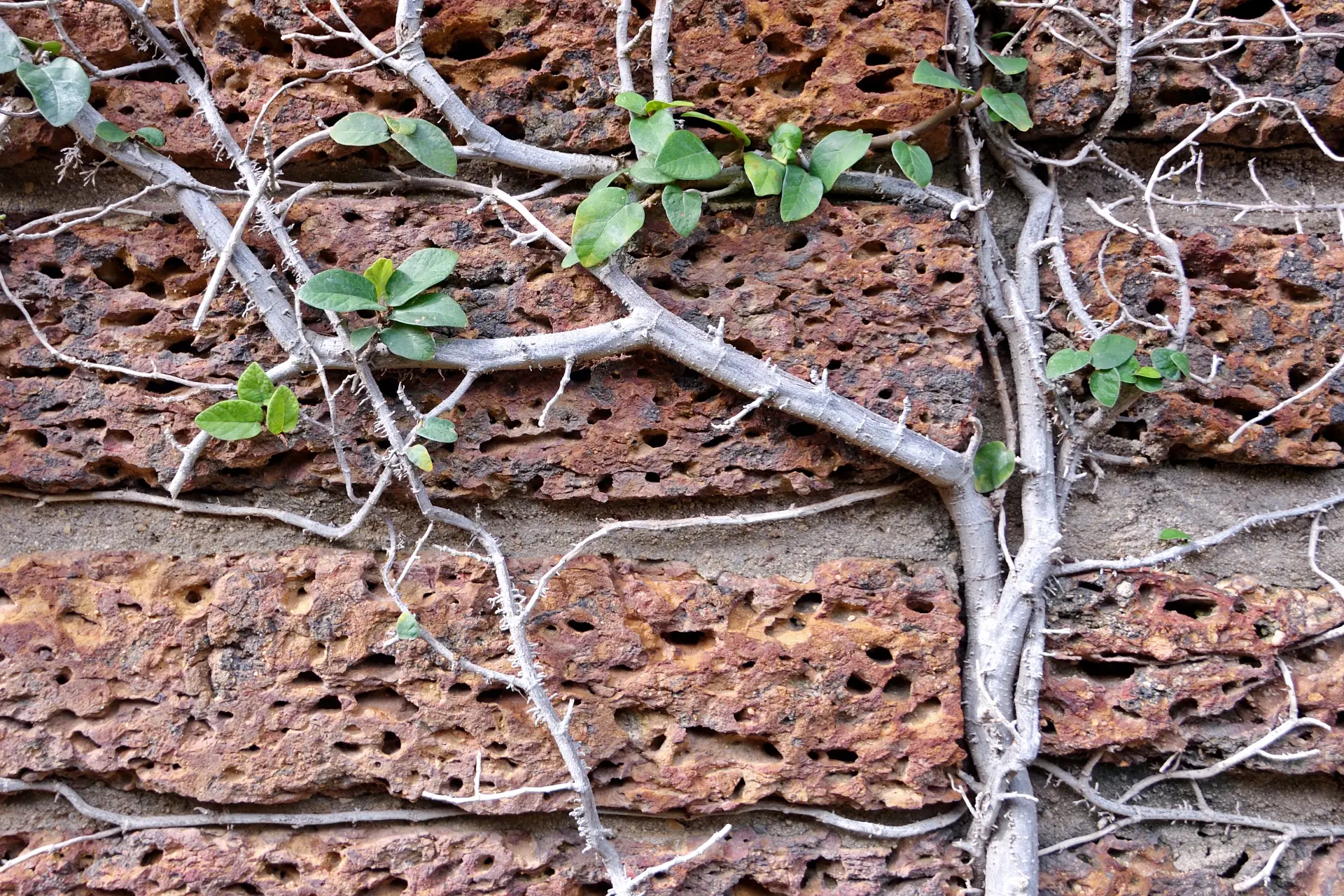
Typical applications include Japanese knotweed protection for new builds, extensions and boundary lines; general invasive weed containment and exclusion; and engineered cell burial encapsulation as part of wider remediation. Barriers also deliver reliable site boundary protection, safeguarding neighbouring land, utilities and underground services from lateral root or rhizome spread.
For everyday arboricultural conflicts, we install root management barriers around drives, paths, retaining walls and lawns to prevent heave, trip hazards and surface damage. Whether for domestic gardens or commercial developments, each specification is tailored to risk, depth, access and programme.
What a Root Barrier Does Engineered Containment
From solving simple tree root conflicts to forming engineered containment lines against Japanese knotweed, barriers stop horizontal growth by creating a continuous, impermeable, root-resistant membrane.
Correct overlaps, seals and terminations are essential to performance - our teams install to manufacturer guidance and best practice.
Benefits of Root Barriers Protection and Cost Control

Foundation Protection
Protects foundations, drainage and utilities from heave and displacement

Root Interception
Intercepts lateral root and rhizome spread at source

Cost Reduction
Reduces long-term maintenance and reinstatement costs

Layered Defence
Integrates with herbicide programmes and excavation strategies

Versatile Application
Suits new builds, refurbishments and established landscaped areas

Tailored Specifications
Specifications tailored to depth, risk and access requirements
Materials & Specifications HDPE and Composite Options
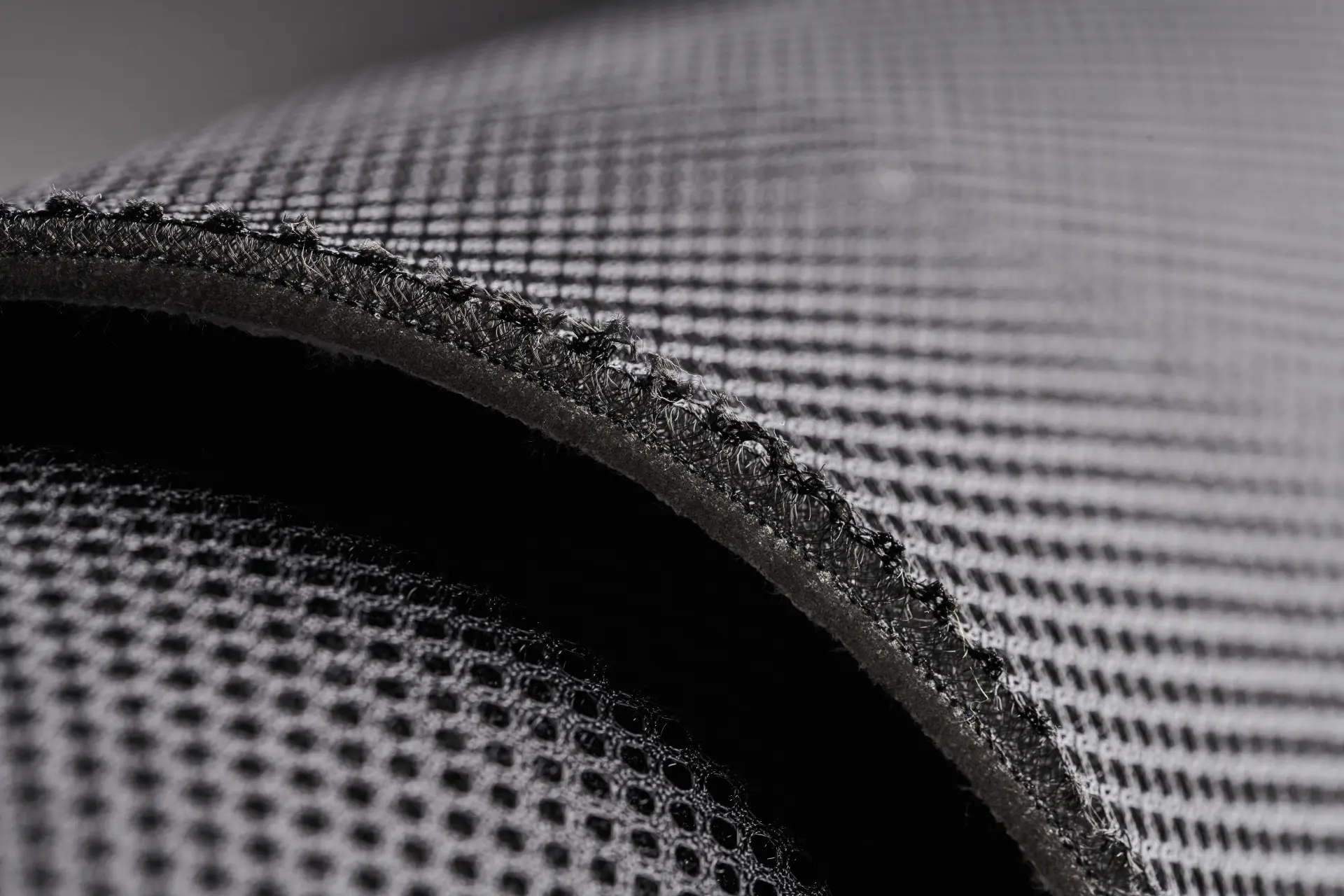
We supply industry-standard root barriers made from reinforced HDPE and multi-layer composites, chosen for tensile strength, puncture resistance, rot/chemical/UV stability, and seam continuity via welded or taped joints.
Options include smooth or ribbed faces to deter rooting, geotextile-laminated variants for abrasion protection, and heavy-gauge grades for deep trenches or knotweed interfaces.
Accessories - top terminations, capping strips, corners, sealing tapes and protection boards - ensure correct overlaps, terminations and long-term performance to manufacturer guidance.
Installation Methods Cut-Off and Capping
Installation methods include vertical cut-off barriers, where a narrow trench is excavated to the required depth and a continuous membrane is installed with welded or taped seams, protected tops and secure terminations to walls, kerbs or posts.
Horizontal capping is laid beneath paving or soft landscape to block upward or lateral migration, with overlaps and penetrations sealed around services.
For cell burial, contaminated material is encapsulated within a lined and capped geocell using reinforced grades. All joints are detailed to drawings, tested for integrity, then backfilled and reinstated with QA records, marker tape and as-builts.
Supply and Pricing Supply or Supply-and-Install
We offer supply-only (cut lengths or full rolls with accessories) and supply-and-install packages for homeowners, contractors and developers. Pricing is typically per linear metre and varies with membrane grade, trench depth, ground conditions, access, number of penetrations, and detailing such as corners, caps and fixings.
Send a plan or request a site visit and we will provide a fast, itemised quotation with specification notes and optional alternatives. Supply orders include rapid delivery nationwide. Installations are scheduled to suit programme, with RAMS, QA records and as-built sketches provided on completion. Competitive rates and economies of scale apply on larger runs. All prices are quoted clearly, excluding VAT.